Structural Drying in Cicero, IL
The water is gone, but the walls, floors and framing are still wet inside. Call and we will dry the structure properly, with readings that show when it is really done.
- Water removal and drying
- Sewer backup cleanup
- Photos and moisture logs for insurance

Before help arrives
Then call. We will take it from there.
- 1Remove standing water and wet rugs first.
- 2Open windows only if the air outside is drier than inside.
- 3Run any dehumidifier you have and empty it often.
- 4Pull wet items away from walls so air can reach them.
What is structural drying?
Structural drying is removing water from the building itself, including framing, subfloor, plaster, drywall, brick and concrete, using dehumidifiers, air movers and sometimes heat, while measuring moisture every day. It keeps materials that can be saved, and prevents the hidden dampness that leads to mold, warped floors and peeling paint.
Last updated . Sources are listed at the end of this page.
Signs the structure is still wet
Surfaces can feel dry while the material inside is not. Look for:
- Musty smell days after the water was cleaned up
- Baseboards or trim pulling away, or paint bubbling
- Hardwood floor boards cupping or buckling
- Soft or stained drywall near the floor
- Plaster that sounds hollow or crumbles
- Condensation on windows or cold walls in the affected rooms
How professional drying works
Drying is a measured process, not a few fans and a guess.
- 1
Map the moisture
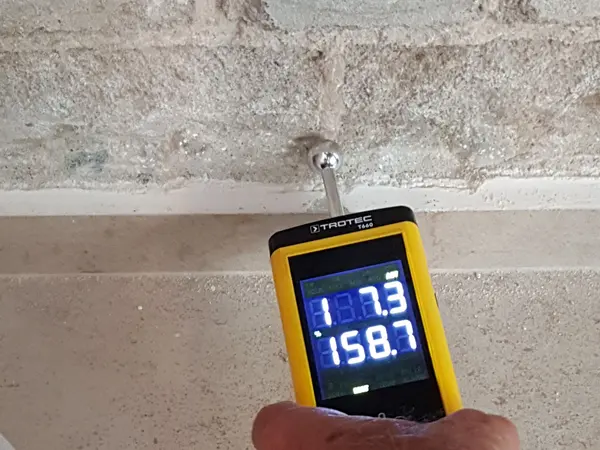
Moisture meters show which materials are wet and how far the water went, including under floors and inside walls.
- 2
Open what traps water
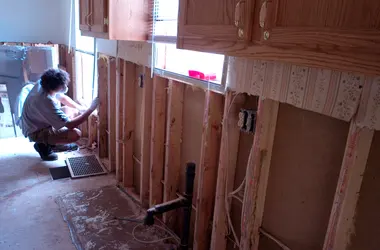
Baseboards come off. Small holes or a strip of drywall let walls dry from inside. Wet carpet pad is removed.
- 3
Set up equipment
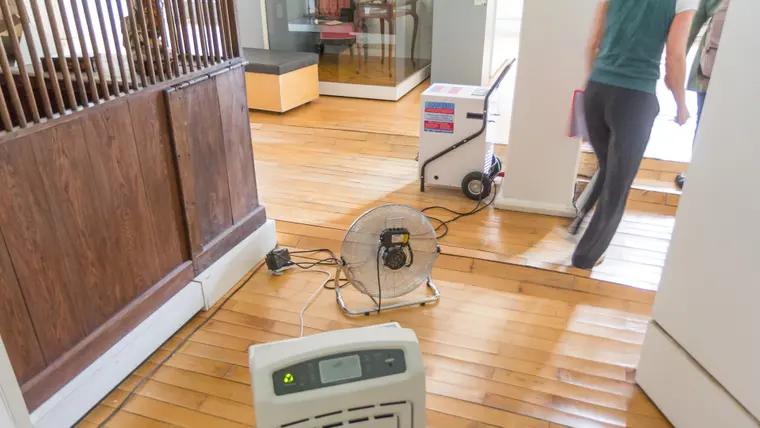
Dehumidifiers pull water out of the air; air movers push dry air across wet surfaces. The room is closed so the system works.
- 4
Measure every day
Readings are taken and logged. Equipment is moved or added as materials dry.
- 5
Confirm it is dry
Drying ends when readings match unaffected materials in the same home, not when it feels dry.
Not sure how bad it is?
A two-minute call and a few questions usually tell us what the job needs.
Call now: (708) 360-8574Drying Cicero's older buildings
Most of Cicero's homes were built before 1959, according to the Town. Older materials dry differently from new construction.
Brick and block
Cicero's brick bungalows and two-flats, and their block or poured basement walls, absorb water and give it up slowly. They can keep feeding moisture into new drywall or paint if repairs start too soon.
Plaster and lath
Many older homes still have plaster walls and ceilings. Plaster can often be dried in place, which saves money and original finishes, but it takes longer than drywall and needs careful monitoring.
Hardwood floors
Original oak floors are common in Cicero bungalows. If drying starts quickly, cupped boards often flatten again. Waiting too long means replacement.
What affects the cost of structural drying
Drying is usually billed by equipment and days. The main factors:
- Size of the wet area
- More square footage means more dehumidifiers and air movers.
- Materials
- Brick, plaster and hardwood take longer than drywall and subfloor.
- How long it sat
- Materials that soaked for days hold more water.
- Number of floors
- Water from upstairs often affects ceilings and walls on every level below.
- Access and power
- Equipment needs electricity and closed rooms.
- Monitoring
- Daily readings and adjustments until materials are dry.
Prices are not quoted online. A fair estimate comes after the damage has been measured on site.
Is drying covered by insurance?
When the water damage itself is covered, drying is normally part of the claim, because it prevents a bigger loss. Insurers expect:
- Moisture readings at the start, every day and at the end
- Photos of equipment placement and damaged materials
- A clear reason for anything removed rather than dried
Those records help your adjuster approve the work and help you if anything is disputed.
Sources
- U.S. EPA: A Brief Guide to Mold, Moisture and Your Home
- Town of Cicero: CDBG-DR Action Plan (draft, July 2025)
General information only, not insurance or legal advice. Check your own policy for what it covers.
Structural Drying: common questions
How long does structural drying take?
Most homes take three to five days. Basements, plaster walls, brick and hardwood can take longer. The readings decide.
Can I just use fans?
Fans move air but do not remove water from it. Without dehumidifiers, the water ends up in the air and soaks back into walls and furniture.
Do the walls have to be torn out?
Not always. Clean-water damage caught early can often be dried with small holes or by removing baseboards. Walls touched by sewer or flood water need to be cut out.
Is the equipment loud?
Yes, and it runs day and night. Most people keep doors closed and sleep in another room while it runs.
How do I know it is really dry?
Ask for the moisture readings. Wet areas should match readings from dry, unaffected areas of the same materials in your home.
Related services

Emergency Water Removal
Standing water pumped and extracted before it soaks deeper.
Mold Remediation
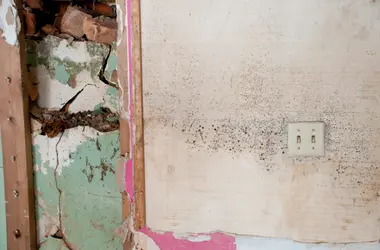
Removing mold that grows after a leak, flood or backup.
Burst & Frozen Pipes
Pipes that split in a cold snap, often in back porches and outside walls.
We also serve nearby towns
Serving Cicero and the near west suburbs, including:
Water still coming in? Call now.
Shut off the water if you can do it safely, keep away from wet outlets, and call. We will talk you through the next few minutes and get help moving.