Mold Remediation in Cicero, IL
Mold follows water. A basement that flooded, a wall that stayed wet or a slow leak behind a cabinet is all it takes. Call and we will find the moisture, remove the mold and dry the space.
- Water removal and drying
- Sewer backup cleanup
- Photos and moisture logs for insurance

Before help arrives
Then call. We will take it from there.
- 1Do not disturb or scrub large patches of mold; it spreads spores.
- 2Find and stop any active leak or dampness if you can.
- 3Run a dehumidifier in damp basements.
- 4Keep people with asthma or allergies away from the area.
What is mold remediation?
Mold remediation is finding and fixing the moisture that let mold grow, containing the area so spores do not spread, removing moldy porous materials like drywall and insulation, cleaning hard surfaces, and drying everything. The U.S. EPA notes that if the moisture problem is not fixed, mold will come back, so remediation always starts with the water.
Last updated . Sources are listed at the end of this page.
Signs of a mold problem
Mold is not always visible. These are the common signs:
- A musty, earthy smell, especially in the basement
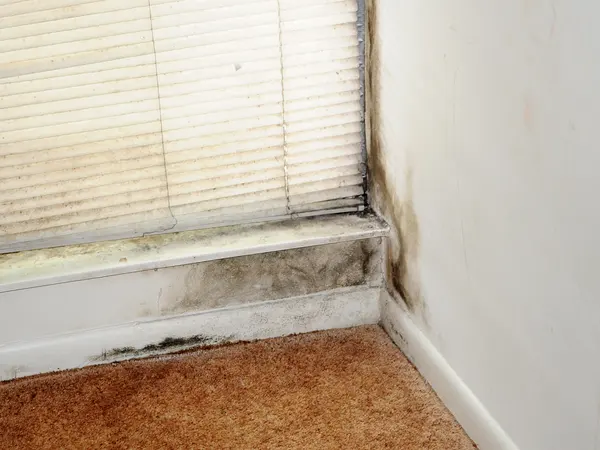
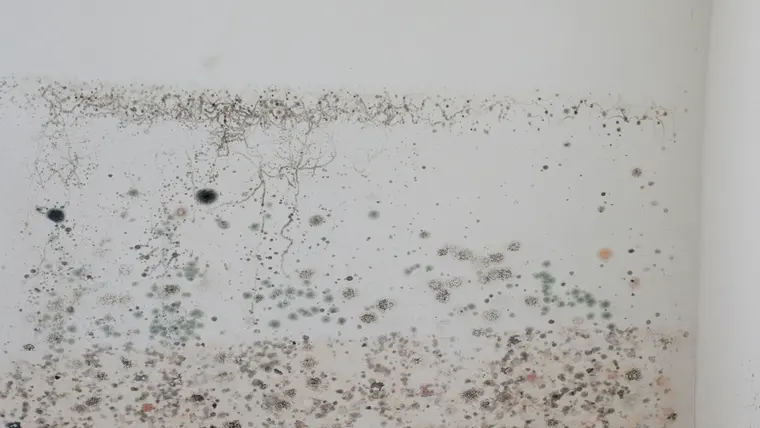
- Black, green or white spots on drywall, wood, ceiling tiles or stored items
- Peeling paint, bubbling wallpaper or warped baseboards
- Walls or carpet that stayed damp after a flood or backup
- Allergy-like symptoms that get better when you leave the house
- A past leak that was never fully dried out
How mold remediation works
Good mold work is mostly about moisture and containment, not chemicals.
- 1
Find the moisture
Moisture meters show where materials are wet. The leak, seepage or humidity source has to be fixed, or mold returns.
- 2
Contain the area
Plastic sheeting and air filtration keep spores from spreading to the rest of the house during removal.
- 3
Remove moldy materials
Porous materials with mold growth, such as drywall, insulation, carpet and ceiling tiles, are cut out and bagged.
- 4
Clean hard surfaces
Framing, concrete and other hard surfaces are cleaned. HEPA vacuums capture what is left.
- 5
Dry and rebuild
The area is dried and checked before new materials go in.
Not sure how bad it is?
A two-minute call and a few questions usually tell us what the job needs.
Call now: (708) 360-8574Why mold shows up in Cicero homes
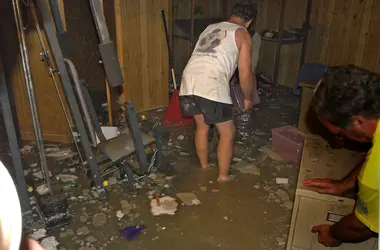
On July 2, 2023, thousands of Cicero basements flooded on the same day, many of them with sewer water. When that happens, there are never enough hands to dry every one quickly, and mold follows. The pattern repeats after every big storm.
Basements that never fully dried
When thousands of basements flood at once, many get pumped out, but the walls, carpet pad and framing stay wet for weeks. That is where mold starts. A basement that "dried out on its own" often did not.
Basement living space
The Town's housing study found that many Cicero basements have been turned into living space. Carpet, drywall and furniture in a cool, damp basement are the easiest place for mold to grow, and the people sleeping there are the most exposed.
Humidity in summer
Chicago-area summers are humid, and basements stay cool. Warm, moist air meets cool foundation walls and condenses. A dehumidifier set to keep humidity below about 50% helps prevent it.
What affects the cost of mold remediation
Mold costs depend on how much is there and what it grew on:
- Size of the area
- The EPA says homeowners can usually clean small areas (under about 10 square feet) themselves. Larger areas need containment and professional removal.
- Materials affected
- Mold on concrete can be cleaned. Mold in drywall, insulation or carpet means removal and replacement.
- Hidden mold
- Mold inside walls or under flooring means opening them up to find the edges.
- Moisture source
- A foundation leak, plumbing leak or sewer backup has to be fixed as part of the job.
- Containment
- Occupied homes, apartments above and people with health conditions need more careful containment.
- Rebuilding
- New drywall, insulation and paint after removal.
Prices are not quoted online. A fair estimate comes after the damage has been measured on site.
Does insurance cover mold?
Mold coverage depends on what caused it.
- Mold from a covered water loss (like a burst pipe) may be covered, often with a lower dollar limit.
- Mold from long-term humidity, seepage or a slow leak is usually excluded as maintenance.
- Mold after a sewer backup or flood depends on whether you have a sewer backup endorsement or flood insurance.
Reporting water damage quickly and drying it fast protects both your health and your claim.
Sources
- U.S. EPA: A Brief Guide to Mold, Moisture and Your Home
- U.S. EPA: Mold Cleanup in Your Home
- Town of Cicero: CDBG-DR Action Plan (draft, July 2025)
General information only, not insurance or legal advice. Check your own policy for what it covers.
Mold Remediation: common questions
Can I clean mold myself?
For small areas, the U.S. EPA says homeowners can often do it, using gloves, eye protection and an N-95 mask. Larger areas, mold in an HVAC system, or mold after sewage contamination should be handled by professionals.
Does bleach kill mold?
Bleach can lighten mold on hard surfaces, but it does not fix the moisture and does not penetrate drywall or wood. Moldy porous materials should be removed.
How fast does mold grow after water damage?
The EPA advises drying water-damaged materials within 24 to 48 hours to prevent mold growth. After that, the risk rises quickly.
Do I need a mold test?
Usually not if you can see or smell mold. The EPA notes that sampling is not generally needed; the fix is the same: remove the mold and correct the moisture.
Will mold come back?
Only if the moisture does. Fix the leak or seepage, keep basement humidity down and dry any future water quickly.
Related services
Flooded Basement Cleanup
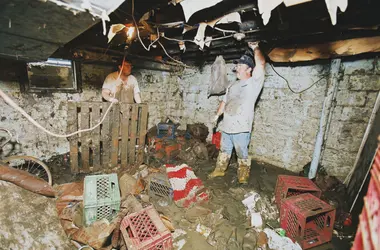
Bungalow and two-flat basements after storms, seepage or pump failures.
Structural Drying
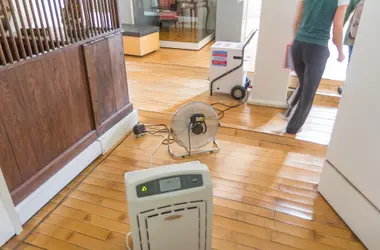
Drying plaster, brick, framing and floors with measured readings.
Sewer Backup Cleanup
Safe removal and disinfection when the sewer comes up the floor drain.
We also serve nearby towns
Serving Cicero and the near west suburbs, including:
Water still coming in? Call now.
Shut off the water if you can do it safely, keep away from wet outlets, and call. We will talk you through the next few minutes and get help moving.