Emergency Water Removal in Cicero, IL
Water that sits for hours moves into walls, subfloors and the basement below. Call and we will get pumps and extraction equipment moving to your home or business in Cicero.
- Water removal and drying
- Sewer backup cleanup
- Photos and moisture logs for insurance

Before help arrives
Then call. We will take it from there.
- 1Turn off the main water valve if the water is coming from a pipe or fixture.
- 2Stay out of water that could reach outlets, cords or the electrical panel.
- 3Photograph and video the water before you move anything.
- 4Lift rugs, electronics and papers onto a dry surface.
What is emergency water removal?
Emergency water removal means pumping out standing water and pulling water out of carpet, pad and floors as fast as possible, then setting up dehumidifiers and air movers. The U.S. EPA advises drying water-damaged areas within 24 to 48 hours to prevent mold, so the first hours decide how much of a home can be saved.
Last updated . Sources are listed at the end of this page.
When water removal cannot wait
Small spills can be mopped. These are the signs that you need pumps and extraction equipment:
- Standing water across a room, a hallway or the basement floor
- Carpet that squishes underfoot, or water spreading under baseboards
- Water coming through a ceiling from the unit or floor above
- Water still entering because the source cannot be shut off
- Water touching the furnace, water heater or electrical panel
- Water that came up from a floor drain or toilet, which is contaminated
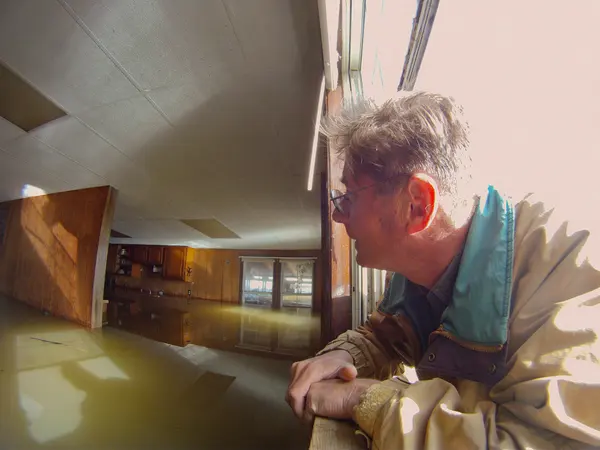
How emergency water removal works
The goal of the first visit is simple: stop the water, get it out and start drying the same day.
- 1
Make it safe
Check for electrical hazards and gas appliances near the water, and confirm the source is stopped. If the water came from the sewer, protective gear and disinfection come first.
- 2
Pump out standing water
Submersible pumps clear deep water from basements and low floors. Shallow water is pulled up with extraction units.
- 3
Extract from carpet and floors
Weighted extraction pulls water out of carpet and pad. Pad soaked with dirty water is removed rather than dried.
- 4
Open up wet areas
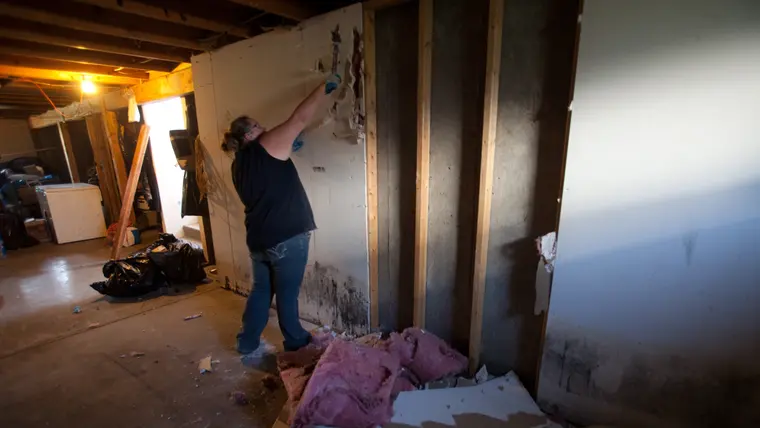
Baseboards come off, and wet drywall or paneling is cut out where water wicked up, so the wall cavity can dry.
- 5
Set up drying
Dehumidifiers and air movers run around the clock. Moisture readings are taken and recorded so you and your insurer can see progress.
Not sure how bad it is?
A two-minute call and a few questions usually tell us what the job needs.
Call now: (708) 360-8574Why Cicero calls are usually basement calls
In Cicero, an emergency water call usually means a basement. About 80% of the town's homes were built before 1959, and most are brick bungalows, two-flats and small apartment buildings with full basements, according to the Town's housing analysis.
The sewer fills fast in a heavy storm
Cicero has a combined sewer that carries storm water and household waste in the same pipes. The Town's sewer master plan found that much of the system can carry only about a six-month storm before it surcharges and basements start backing up. When that happens, water comes up through floor drains, not just in through walls.
July 2, 2023 showed how fast it happens
The Town reports that 8.6 inches of rain fell in Cicero that day. The fire department answered 309 calls in 24 hours, about ten times normal, and some basements had up to four feet of water. FEMA received over 6,000 registrations from Cicero homeowners afterward.
When water is rising in a basement, extraction is only half the job. What matters is whether the water was clean or came from the sewer, because that changes everything that follows. See sewer backup cleanup and flooded basement cleanup.
What affects the cost of water removal
There is no flat price for an emergency. The main factors are:
- How much water and where
- One wet room upstairs is a different job from a basement with standing water wall to wall.
- Clean or contaminated
- Sewer water and outside flood water need protective gear, disinfection and removal of porous materials.
- How long it sat
- Water that sat for a day has soaked deeper into drywall, plaster, pad and subfloor.
- Materials affected
- Carpet and pad, hardwood, plaster and finished basement walls each dry, or get removed, differently.
- Drying time
- Equipment usually runs for several days. Brick and plaster in older homes can take longer.
- Access
- Narrow basement stairs and crowded storage slow down pumping and removal.
Prices are not quoted online. A fair estimate comes after the damage has been measured on site.
Is emergency water removal covered by insurance?
It depends on the cause, not on the fact that water is in the house.
- Burst pipe or failed appliance: usually covered by a standard homeowners policy as sudden and accidental damage.
- Sewer or drain backup: usually only covered if you have a sewer backup endorsement (rider). In Cicero, check for it before you need it.
- Surface flooding from a storm: only covered by flood insurance, through the NFIP or a private insurer.
Whatever the cause, take photos and video before anything is moved, and keep damaged items until your adjuster has seen them or says otherwise.
Sources
- U.S. EPA: A Brief Guide to Mold, Moisture and Your Home
- Ready.gov: Floods
- Town of Cicero: CDBG-DR Action Plan (draft, July 2025)
General information only, not insurance or legal advice. Check your own policy for what it covers.
Emergency Water Removal: common questions
How fast does water need to be removed?
As fast as possible. The U.S. EPA advises drying water-damaged materials within 24 to 48 hours to prevent mold. Water also keeps moving into walls and floors below while it sits.
Can I use a shop vac?
For a small amount of clean water, yes. A shop vac cannot reach water already in the carpet pad, drywall or subfloor, and it is not safe to use on sewer water or near electrical hazards.
Should I turn off the electricity?
Turn off breakers to wet areas only if you can reach the panel without standing in water. If the panel is in a flooded basement, stay out and call ComEd or an electrician.
What if the water came up through the floor drain?
Treat it as sewage. Keep children and pets away, do not try to clean it with a mop, and see sewer backup cleanup.
Will I need to leave my home?
Usually not for clean water in one area. If sewer water affected living space, or the power to the home is off, staying elsewhere for a few days may be safer.
Related services

Flooded Basement Cleanup
Bungalow and two-flat basements after storms, seepage or pump failures.
Sewer Backup Cleanup
Safe removal and disinfection when the sewer comes up the floor drain.
Structural Drying
Drying plaster, brick, framing and floors with measured readings.
We also serve nearby towns
Serving Cicero and the near west suburbs, including:
Water still coming in? Call now.
Shut off the water if you can do it safely, keep away from wet outlets, and call. We will talk you through the next few minutes and get help moving.