Flooded Basement Cleanup in Cicero, IL
Cicero is a town of basements: bungalows, two-flats and apartment buildings built over them. When one floods, call and we will pump it out, sort out what can be saved and dry what is left.
- Water removal and drying
- Sewer backup cleanup
- Photos and moisture logs for insurance

Before help arrives
Then call. We will take it from there.
- 1Stay out of the water if it could reach outlets, the furnace or the electrical panel.
- 2Do not run washers, dishwashers or showers while the sewer is full.
- 3Lift boxes, electronics and papers off the floor.
- 4Photograph the water level on the walls before it drains.
What does flooded basement cleanup involve?
Flooded basement cleanup means pumping out standing water, removing wet carpet, drywall and insulation that cannot be dried, cleaning and disinfecting surfaces, and running dehumidifiers until moisture readings are normal. In Cicero, most basement floods come from the combined sewer backing up in heavy rain, so disinfection is usually part of the job.
Last updated . Sources are listed at the end of this page.
Signs your basement needs professional cleanup
Some basement water is a mop-and-fan job. These signs mean it has gone past that:
- Water came up through the floor drain, laundry tub or basement toilet
- More than about an inch of water, or water across most of the floor
- Wet carpet, pad, paneling, drywall or stored boxes
- A sump pump that stopped, or ran nonstop and could not keep up
- Water touching the furnace, boiler, water heater or electrical panel
- A musty smell or damp walls days after the water drained
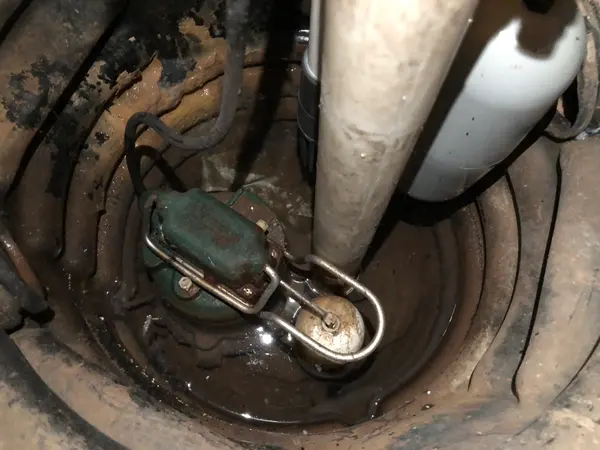
Our basement cleanup process
Basements are harder to dry than upper floors. They sit in cool ground, have little airflow and are often finished with materials that hold water.
- 1
Find the source
Sewer backup through a drain, seepage through the foundation, a failed sump pump, a burst pipe or a water heater. The source decides the safety precautions and the cleanup method.
- 2
Pump out the water
Standing water is pumped out. If the street sewer is still full, pumping waits until it drains, or the water just comes back up.
- 3
Remove what cannot be saved
Carpet and pad, drywall and paneling below the water line, and insulation are removed, especially after a sewer backup, when porous materials cannot be made safe.
- 4
Clean and disinfect
Floors, walls and framing are cleaned and treated. Contents are sorted with you: keep, clean or discard, with photos for the insurance claim.
- 5
Dry with dehumidification
Dehumidifiers and air movers run until moisture readings in the slab, walls and framing are back to normal. Fans alone are not enough in a cool basement.
- 6
Plan repairs and prevention
Once dry, you get a record of what was removed and what needs rebuilding, and a plain explanation of why the basement flooded.
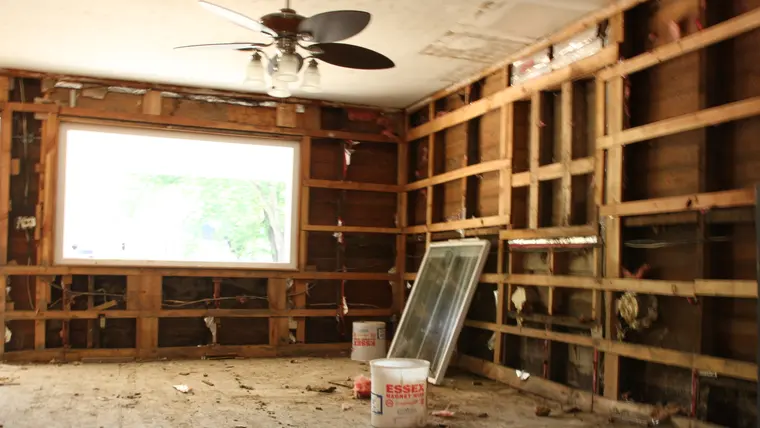
Not sure how bad it is?
A two-minute call and a few questions usually tell us what the job needs.
Call now: (708) 360-8574Why Cicero basements flood

Most Cicero basement floods are sewer backups, not groundwater. The town's housing was built over basements long before anyone expected storms like the ones of the last few years.
A combined sewer with little spare room
Cicero's sewers carry storm water and household waste in the same pipes, through large brick interceptor sewers built in the early 1900s that drain south toward Pershing Road. The system also takes in flow from Chicago, Berwyn and Oak Park. According to the Town's own master plan, much of it can carry roughly a six-month storm before it surcharges and basements start backing up.
Flat ground and old houses
About 80% of Cicero's housing was built before 1959: 42% single-family homes, 30% two-flats and 23% small apartment buildings. Many basements now hold laundry rooms, family rooms or storage, which turns a backup into a much bigger loss. The town is also very flat, so once the sewers fill, water spreads across streets and into low entries and window wells.
July 2, 2023
8.6 inches of rain fell in Cicero that day, a storm the Town calls a 100-year event. Homes without backflow protection had basements flooded several feet deep, and FEMA inspected more than 5,600 Cicero homes afterward.
Help with prevention
The Town's Basement Flood Prevention Program helps eligible homeowners whose homes flooded in 2023 install backflow prevention systems, or reimburses ones already installed. It has income limits and requires homeowners insurance with a sewer backup rider. Check the Town's page for current details.
What affects the cost of basement cleanup
Basement jobs vary more than most. The main factors are:
- Clean water or sewer water
- A sewer backup means protective gear, disinfection and removing porous materials. Clean water from a pipe or water heater allows more to be dried in place.
- Finished or unfinished
- Bare concrete dries quickly. Carpet, drywall, paneling and built-ins mean more removal and more drying time.
- Depth and spread
- An inch in the laundry corner versus a foot across the whole basement changes pumping, removal and equipment.
- Contents
- Stored furniture, appliances and boxes take time to move, sort, photograph and dispose of.
- Access
- Narrow back stairs and low ceilings in older basements slow down removal.
- Drying time
- Block and brick foundation walls hold water and can take several days to dry.
Prices are not quoted online. A fair estimate comes after the damage has been measured on site.
Does insurance cover a flooded basement?
It depends on where the water came from, and basements are where the exclusions bite hardest.
- Sewer or drain backup: usually not covered by a standard homeowners policy unless you added a sewer backup endorsement. Many Cicero homeowners found this out in 2023. Check your declarations page now.
- Burst pipe, water heater or appliance: usually covered as sudden and accidental damage.
- Surface water from a storm: needs flood insurance. Even flood policies limit what they cover in a basement, mostly structure and essential equipment like the furnace and water heater.
Photograph everything before it goes to the curb, and keep a list of damaged items with their age and value.
Sources
- Town of Cicero: CDBG-DR Action Plan (draft, July 2025)
- Town of Cicero: Basement Flood Prevention Program
- U.S. EPA: A Brief Guide to Mold, Moisture and Your Home
- Metropolitan Water Reclamation District of Greater Chicago: Flood Resource Guide
General information only, not insurance or legal advice. Check your own policy for what it covers.
Flooded Basement Cleanup: common questions
Can I pump out my basement myself?
If the water is clean, the electricity in the basement is off and the sewer has drained, you can start. If water came up through the floor drain, treat it as sewage. The bigger problem is what is left after pumping: soaked walls, pad and framing that a pump cannot reach.
Why does water keep coming up the floor drain?
Because the street sewer is still full. In a combined sewer like Cicero's, the floor drain is connected to the same pipe as the street. Until the sewer drains, pumping the basement just makes room for more.
Do I have to throw out the carpet?
Carpet touched by sewer water or storm water should be thrown out. Carpet soaked with clean water and extracted quickly can sometimes be saved, but the pad underneath usually has to go.
How do I stop it happening again?
The Town of Cicero recommends a backflow preventer on the sewer line. Other options include an overhead sewer, a battery backup sump pump and moving downspouts away from the foundation. A licensed plumber can tell you what fits your home.
How long until my basement is dry?
An unfinished basement often dries in two to four days after cleaning. Finished basements and brick or block walls take longer. Drying should be measured with a moisture meter, not judged by touch.
Related services
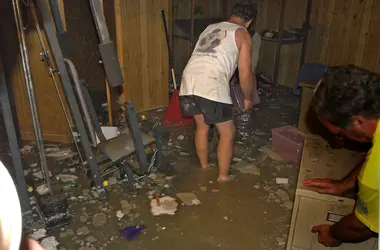
Sewer Backup Cleanup
Safe removal and disinfection when the sewer comes up the floor drain.

Mold Remediation
Removing mold that grows after a leak, flood or backup.
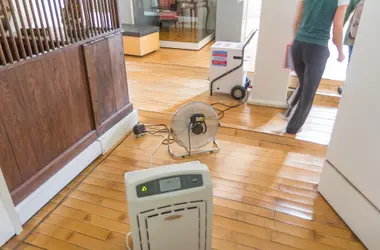
Structural Drying
Drying plaster, brick, framing and floors with measured readings.
We also serve nearby towns
Serving Cicero and the near west suburbs, including:
Water still coming in? Call now.
Shut off the water if you can do it safely, keep away from wet outlets, and call. We will talk you through the next few minutes and get help moving.